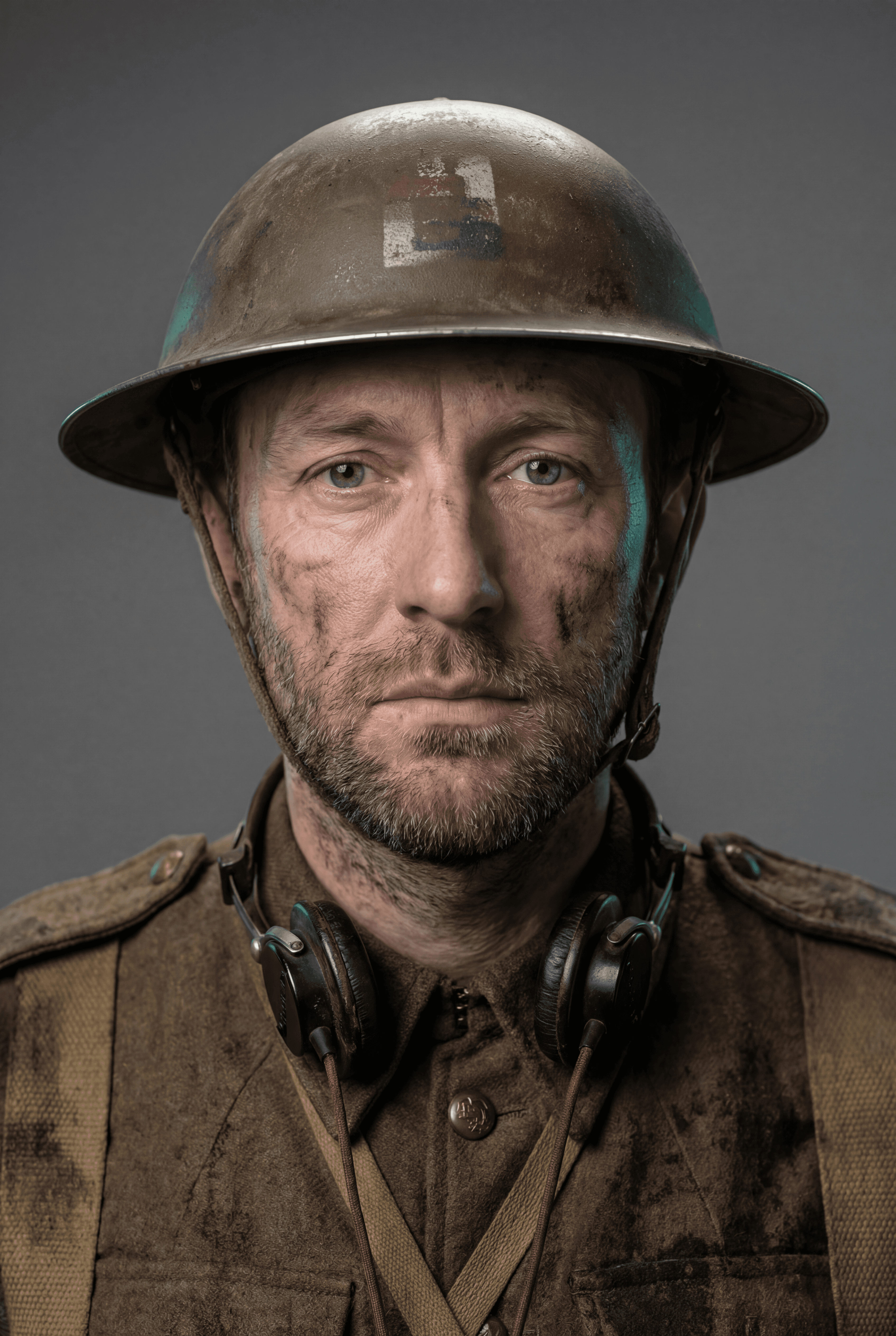
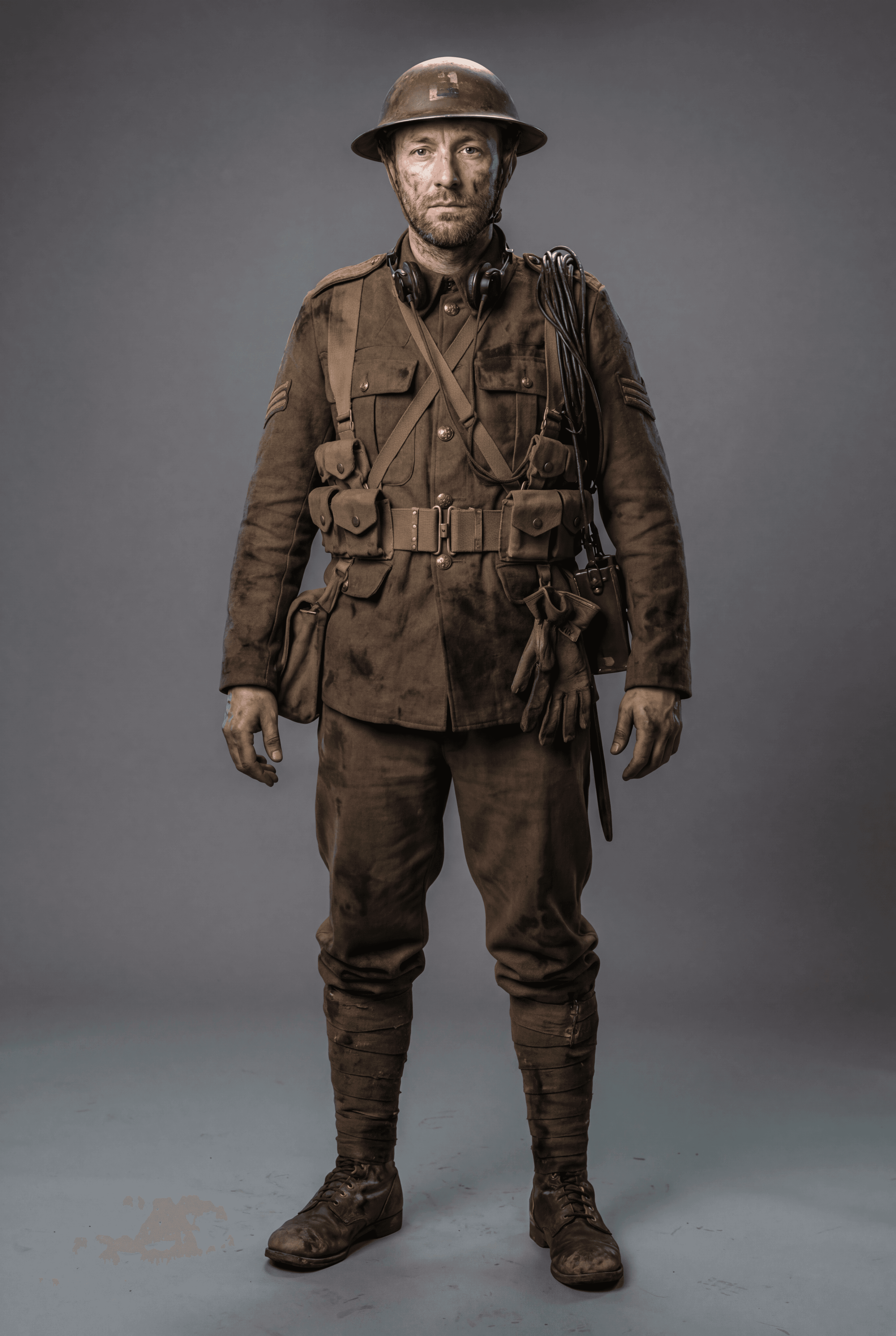
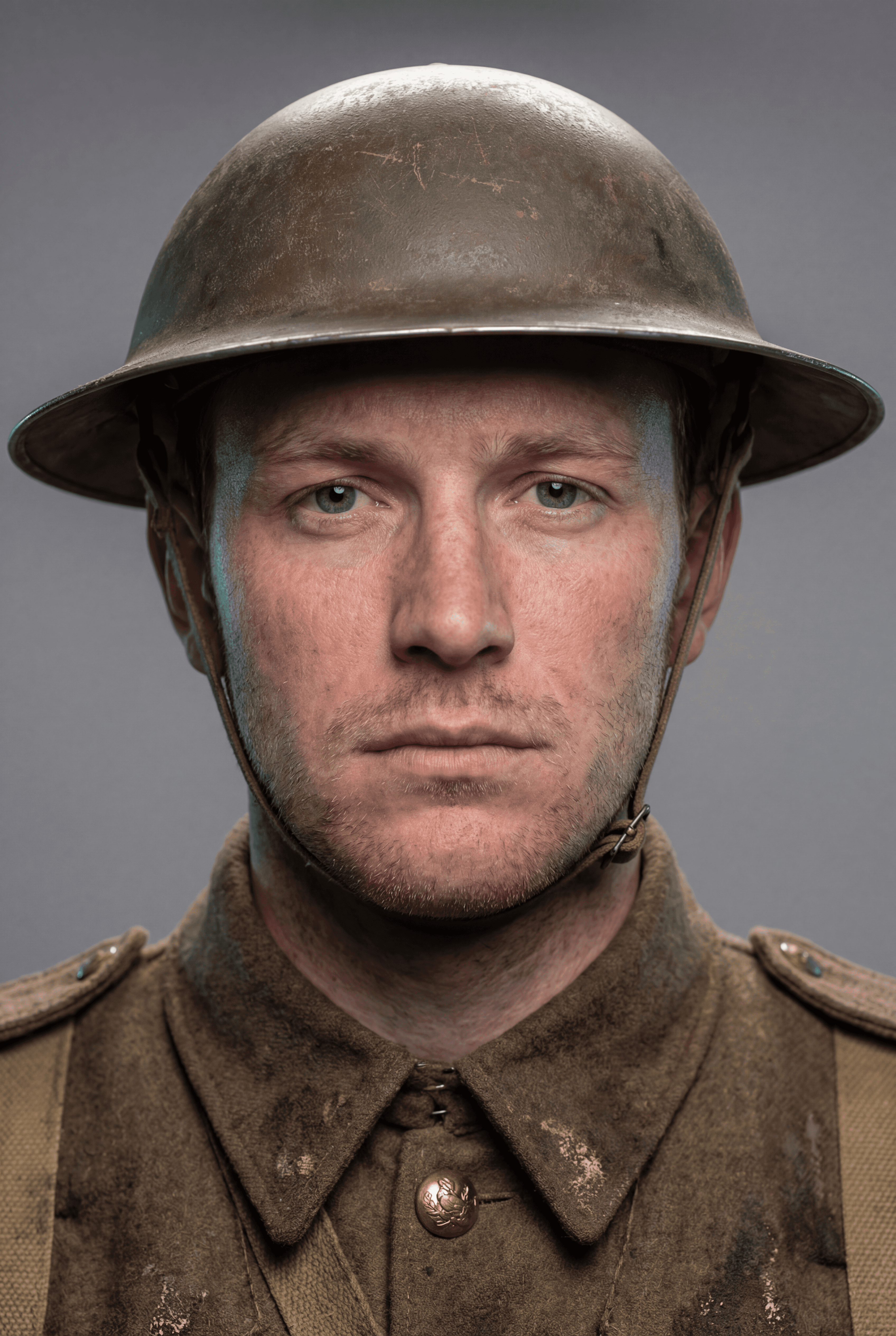
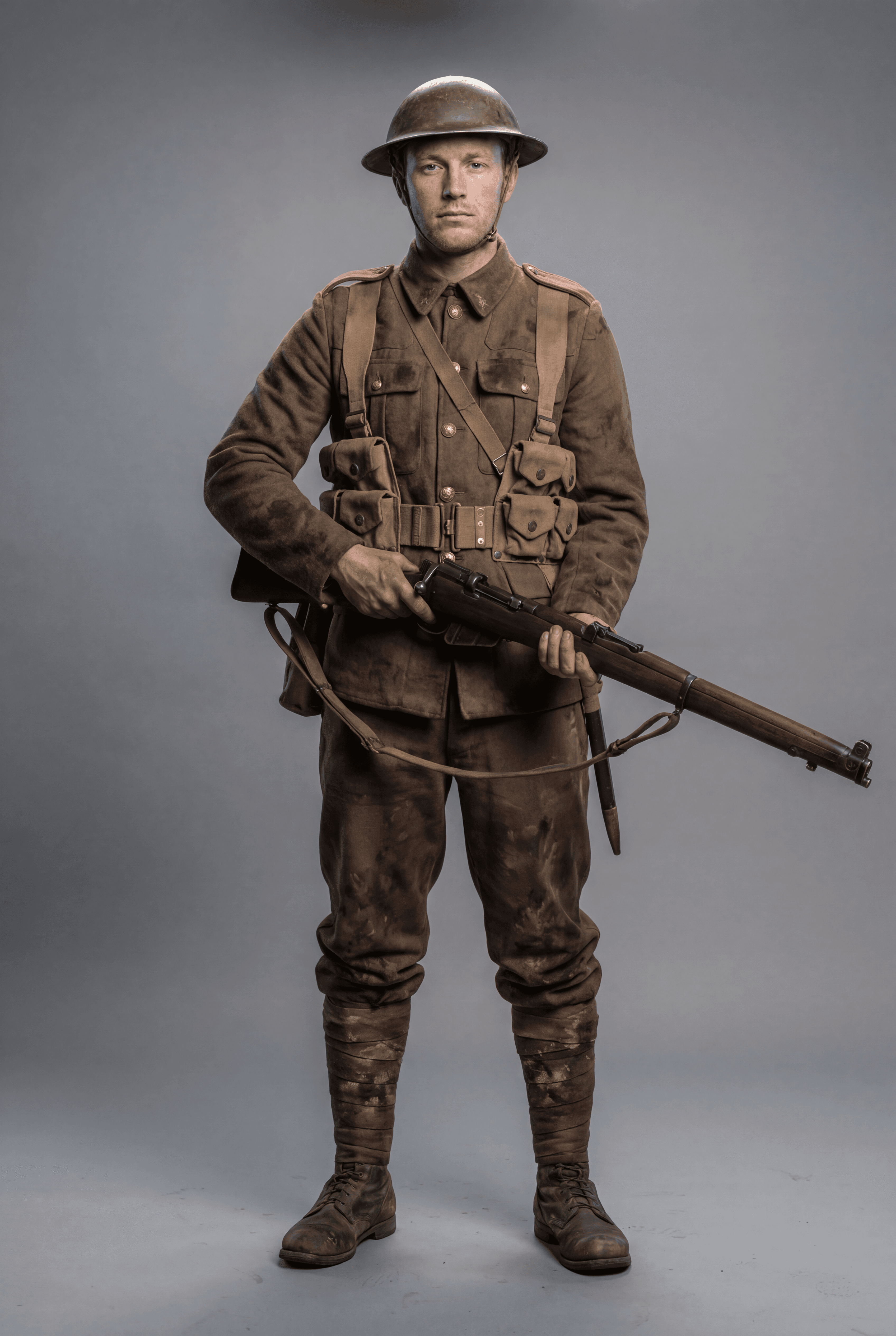
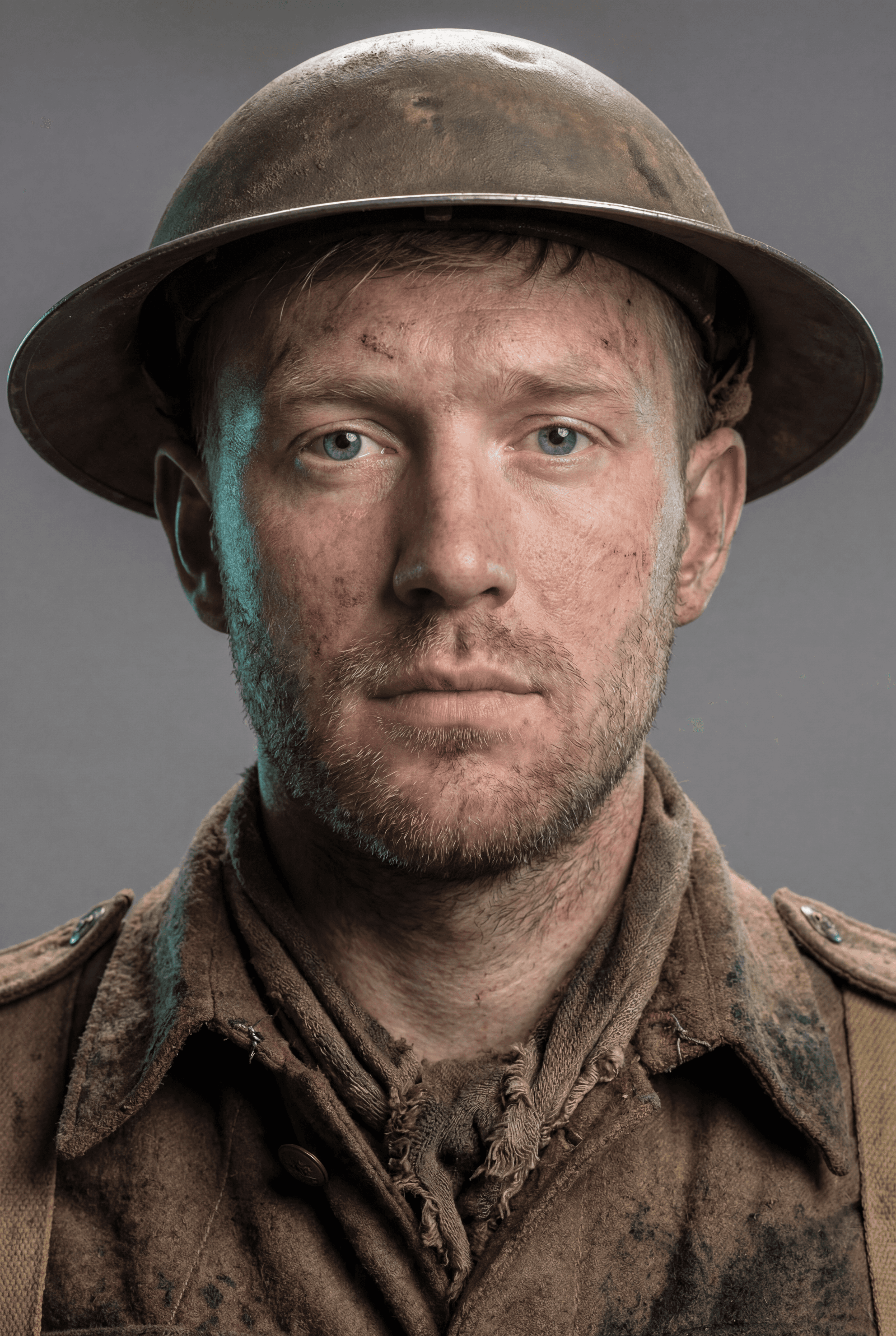
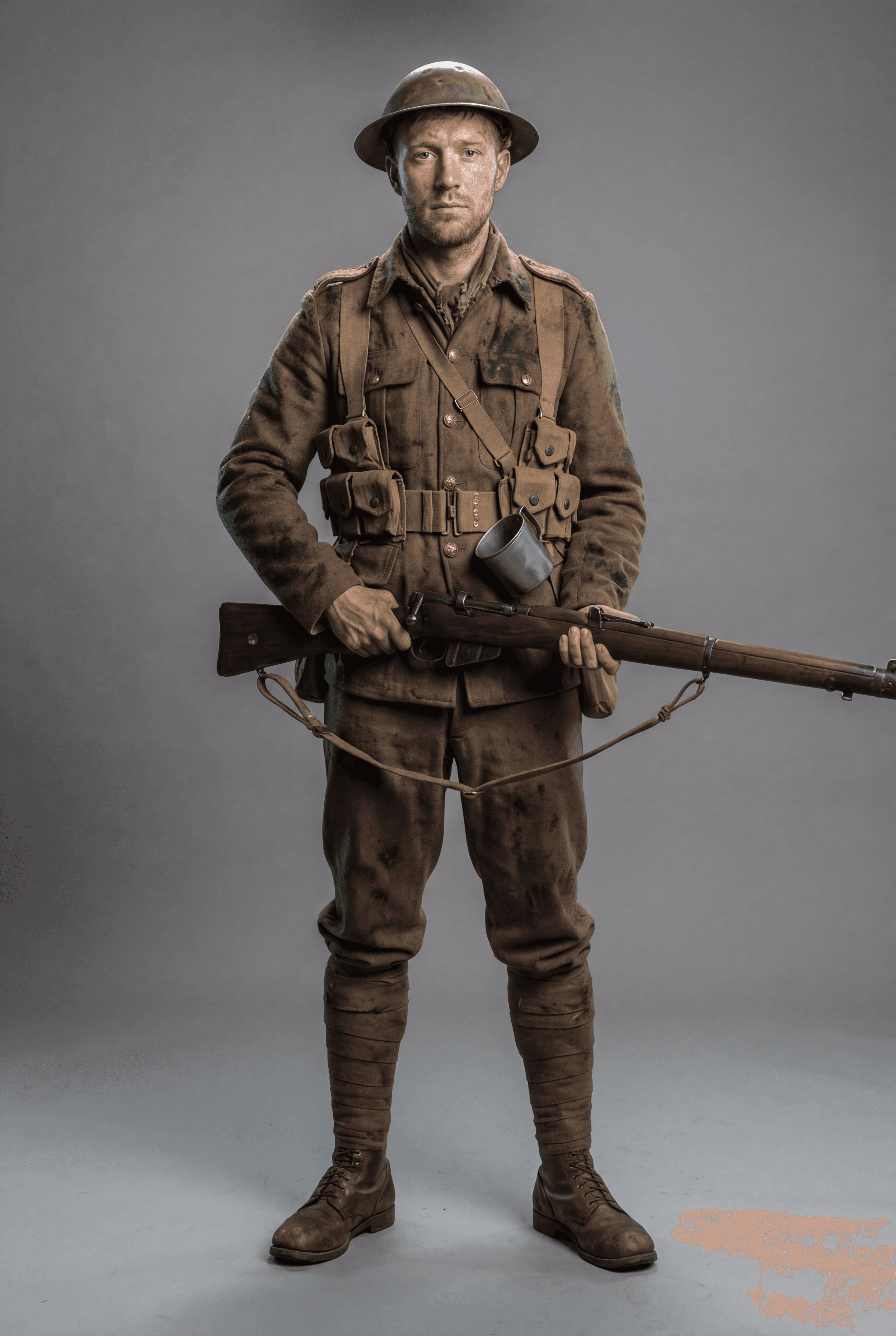
A cinematic AI short exploring the quiet moments before battle through light, texture, and historical realism.
This AI-driven WWI trailer was created to test the emotional range of cinematic storytelling using Nano Banana Pro and Kling’s First and Last Frame features. Rather than depicting combat, the project focuses on atmosphere — the stillness, fear, and humanity in the moments before war erupts.
Each shot was designed as part of a seamless visual narrative: soldiers waiting in the trenches, machinery rolling into place, the landscape holding its breath. Using Kling for subtle motion and Nano Banana Pro for photorealistic consistency, I explored how AI could recreate the tone and restraint of a historical drama without live-action production.
The goal was not to glorify war, but to demonstrate how AI can capture its silence — translating history into cinematic realism with emotion, precision, and scale.
Client:
History Channel
Date:
2025
Role:
writer
Director
Art Director
animater
Editor
sound designer

Private
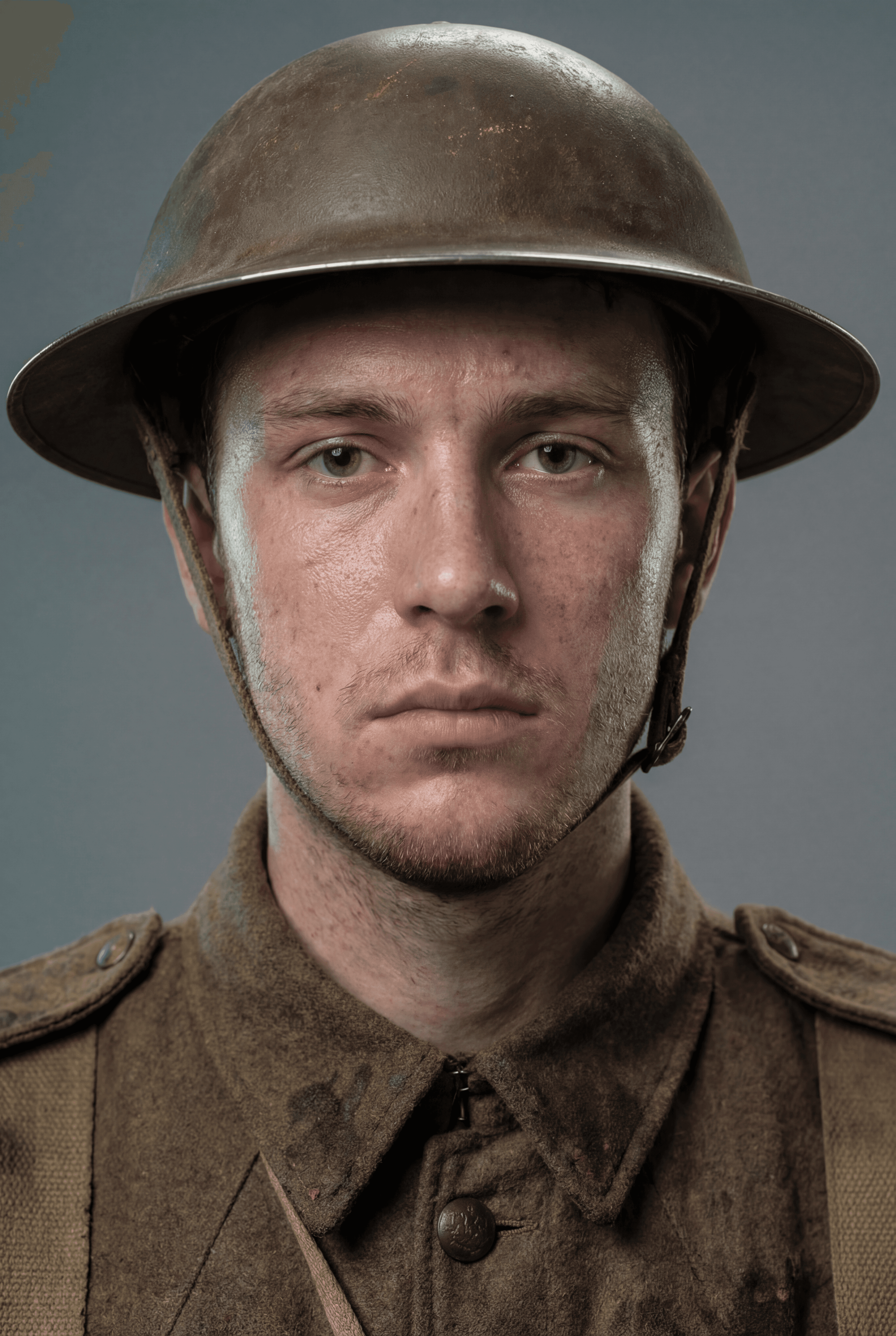
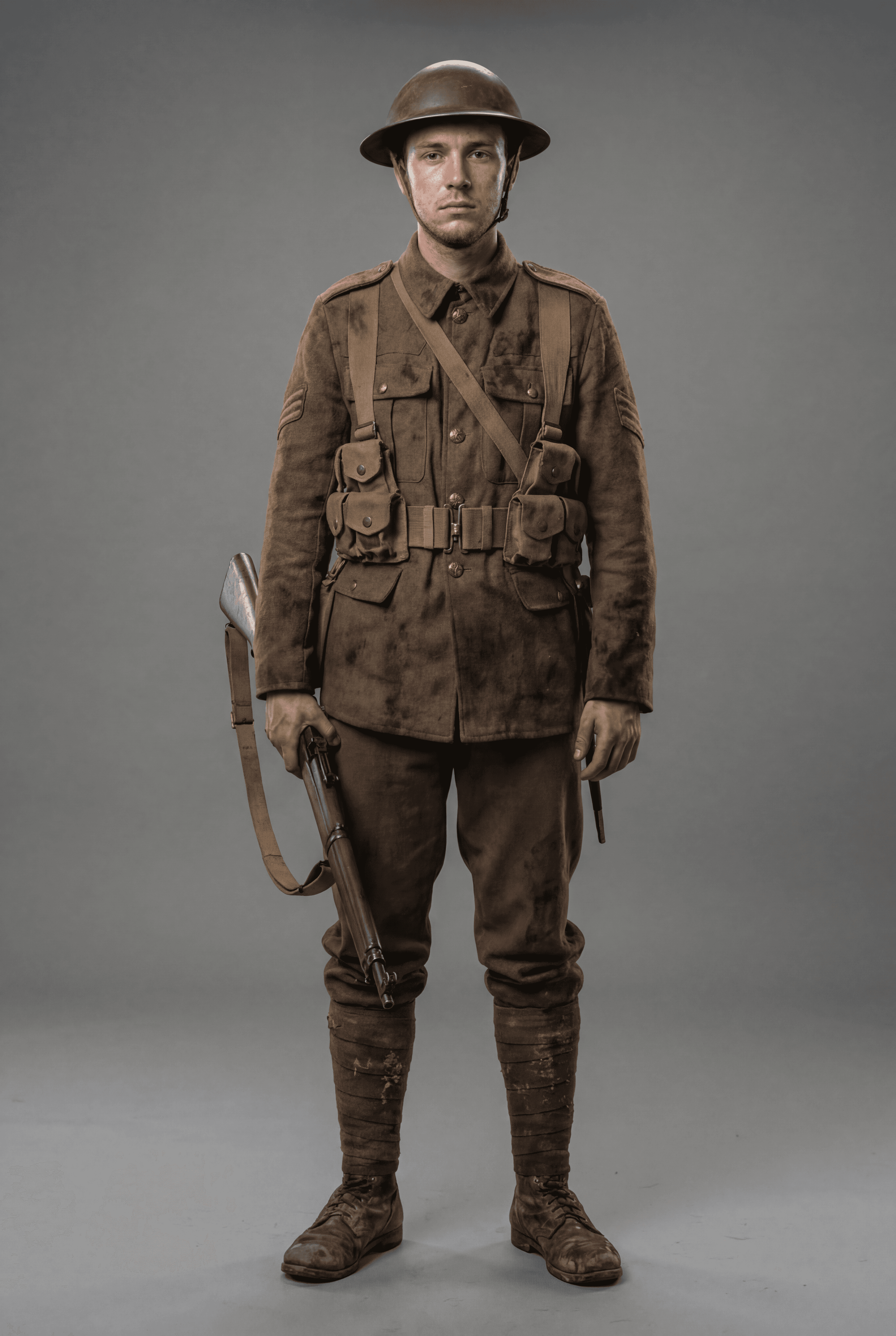
Elias Trenholm
Rifleman (Infantry)
Backstory
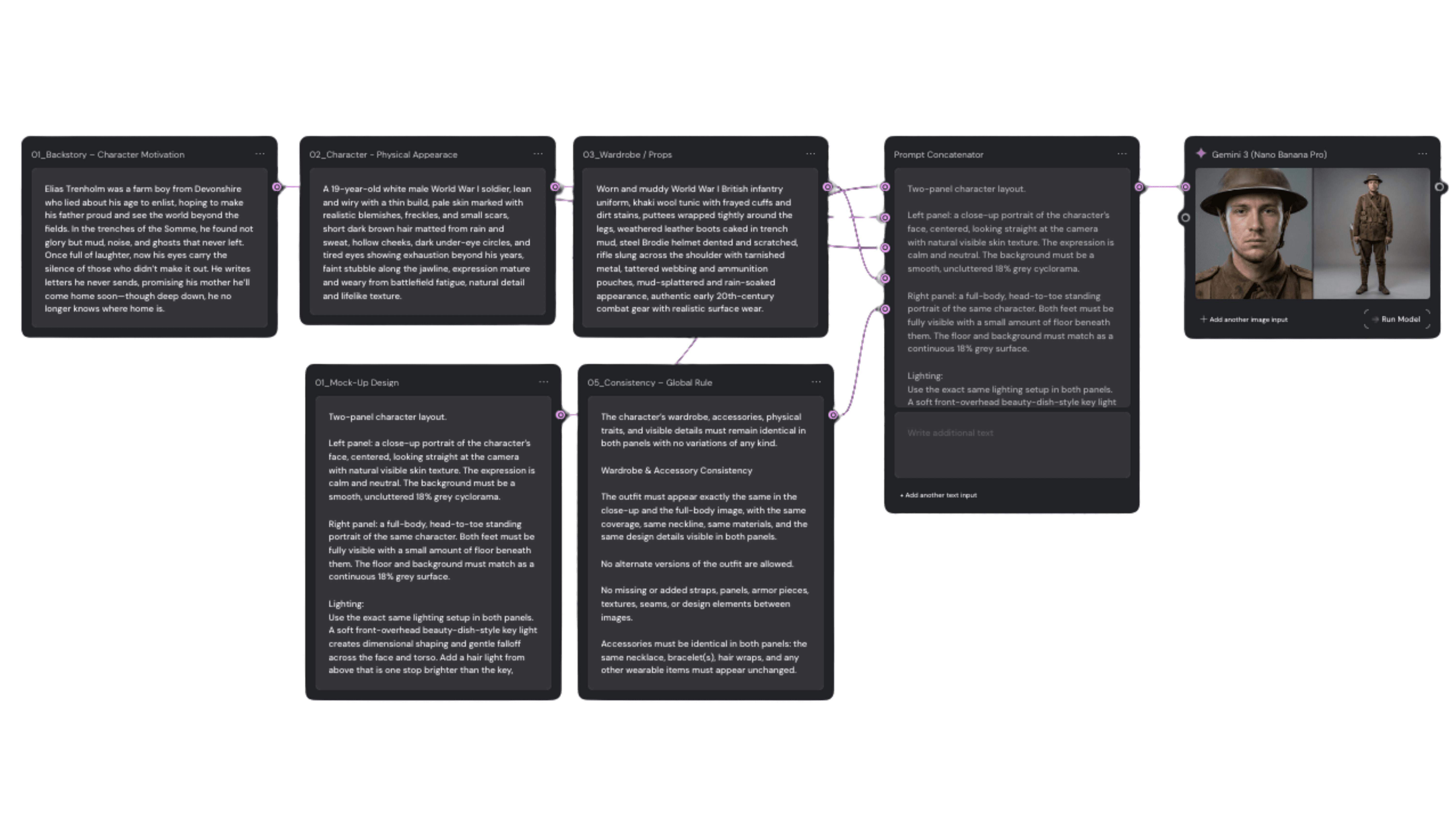
Elias Trenholm was a farm boy from Devonshire who lied about his age to enlist, hoping to make his father proud and see the world beyond the fields. In the trenches of the Somme, he found not glory but mud, noise, and ghosts that never left. Once full of laughter, now his eyes carry the silence of those who didn’t make it out. He writes letters he never sends, promising his mother he’ll come home soon—though deep down, he no longer knows where home is.
5"4"
130 lbs
height
weight